What Is Your Body Trying to Protect You From?
By Dr. Cassie Tayon, DC · June 28, 2026 · 6 min read

If you are a woman navigating fatigue, PMS, irregular cycles, fertility concerns or restless nights, it can feel as if your body is working against you. Lab work may look "normal," yet you still don’t feel like yourself. In these moments, a powerful shift happens when we stop asking, "What’s wrong with me?" and begin asking, "What is my body trying to protect me from?" This question guides much of how I look at hormonal health and nervous system regulation.
The brain at the crossroads
I often invite patients to picture the brain standing at a busy crossroads. Every second, it receives signals from the nervous system, immune system, gut, hormones and the environment around you. Your brain is constantly asking, "Am I safe?" and "What do I need to do right now to keep this body alive and well?"
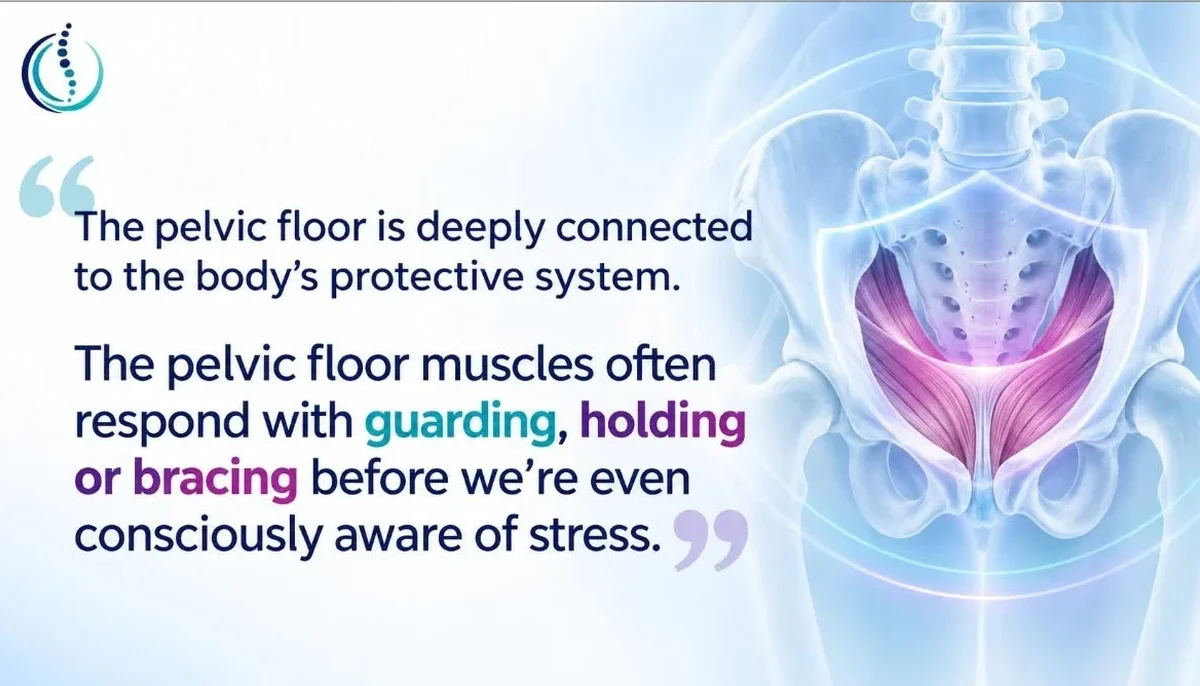
When everything feels balanced, the brain can comfortably put resources into long-term projects: hormone production, fertility, digestion, deep sleep, tissue repair and recovery. This is the "rest, heal and thrive" lane. But when the brain perceives a threat — physical, chemical or emotional — it will always prioritize protection and survival first. That may mean pulling energy away from the very systems you are hoping will work better, like your reproductive hormones or thyroid function.
Gentle reminder: A body that shifts into protection mode is not broken; it is doing exactly what it was designed to do to keep you safe.
When protection overrides recovery
The "threats" your brain responds to are not only dramatic events like accidents or infections. More often, they are chronic, everyday stressors that quietly pile up: ongoing work pressure, lack of sleep, blood sugar swings from skipped meals, inflammatory foods, unresolved emotional stress, past trauma, or a long-standing injury that never fully healed.
When your brain decides that protection needs to come first, it may divert resources away from:
- Regular ovulation and cycle rhythm, leading to PMS, irregular cycles or fertility challenges
- Deep, restorative sleep — you may fall asleep but struggle to stay asleep, or wake unrefreshed
- Tissue repair and recovery, so aches, pains and injuries linger longer than they should
- Digestion and absorption, so bloating, constipation or IBS-type symptoms appear
From the outside, it can feel like your hormones "suddenly went crazy" or your energy "just crashed." Internally, your brain has simply chosen the protection pathway. Understanding this is the first step toward compassionate self-care rather than frustration or blame.
Asking the right question
For many women, the first question they have been taught to ask is, "Which hormone is low?" Hormone testing can be very helpful, but it is not the whole story. Your hormone levels are often a reflection of the bigger question: what is my body trying to protect me from?
When we ask this better question, we begin to look for root causes and patterns:
- Is chronic stress from work, caregiving or finances constantly activating your fight-or-flight response?
- Are you living on coffee and convenience foods, leaving your blood sugar and gut health struggling to keep up?
- Have you experienced a loss, trauma or season of burnout that your nervous system has never fully processed?
- Is long-term inflammation from an injury, infection or autoimmune process constantly whispering "danger" to your brain?
Instead of viewing your symptoms as random or your body as faulty, we can see them as messages. This perspective is deeply empowering. It allows us to work with your body, not against it.
Key takeaway: Your symptoms are not inconveniences to silence; they are signals to understand.
How chiropractic care supports balance
You may wonder how chiropractic connects with hormones, PMS or sleep. At its core, chiropractic focuses on the health and function of your nervous system — the very communication highway your brain uses to decide between protection and recovery. Gentle, specific adjustments help improve alignment and motion in the spine, which can support nervous system regulation and reduce the "noise" of stress signals reaching the brain.
For women’s wellness, care in our office often includes:
- A thorough history and evaluation to understand your stress load, symptoms and goals
- Gentle adjustments aimed at calming the nervous system and supporting clearer brain–body communication
- Lifestyle and nutritional guidance to reduce inflammation, stabilize blood sugar and support hormonal health
- Functional wellness strategies that may include lab testing, targeted supplementation and stress-management tools
When we help your nervous system feel safer, your brain can gradually shift away from constant protection mode. Over time, some women report changes in their cycles, PMS, energy, mood and sleep. Every body is unique and no single approach is a cure-all, but supporting the body’s ability to self-regulate is a powerful foundation for healing.
Listening to your body: next steps
If you are tired of feeling dismissed, exhausted or confused by your symptoms, please know you are not alone — and you are not broken. Your body is wise. It is doing its best to protect you with the information and resources it has. Our role together is to gently uncover what it has been protecting you from, and to create a plan that supports safety, balance and healing.
This article is general education, not medical advice for your situation.