Your Gut and Brain Are Always Talking — Are You Listening?
By Dr. Cassie Tayon, DC · June 30, 2026 · 6 min read

Your gut is so much more than a digestion machine. It’s a powerful communication center that’s constantly talking with your brain, shaping how you feel in your body, your mood, your focus, and even how safe you feel in the world. When that conversation gets disrupted, you feel it — in your stomach, in your mind and throughout your nervous system.
I see this every day at Winters Wellness Center. People come in with digestive issues, anxiety, brain fog, chronic stress or nervous system dysregulation — and often, they’re surprised to learn how deeply all of these are connected.
The gut–brain highway
Your gut and your brain are linked by a communication pathway often called the gut–brain axis. One of the main "roads" on this highway is the vagus nerve — a long nerve that runs from your brain down through your neck and into your chest and abdomen, touching many of your major organs along the way, including your digestive system.
We tend to think the brain is in charge, sending instructions down to the rest of the body. But when it comes to the gut–brain connection, most of the messages actually travel from the gut up to the brain. Your gut constantly reports on what’s happening inside: nutrient levels, inflammation, irritants, and even the balance of your gut bacteria. Your brain uses this information to help regulate mood, energy, focus, and how "on alert" your nervous system needs to be.
This is why gut health is truly a nervous system issue. When the gut is calm, nourished and supported, it sends more signals of safety. When it’s irritated or inflamed, it can keep your brain and body stuck in a stress response, even when life is relatively calm on the outside.
Why stress shows up in your stomach
If you’ve ever felt "butterflies" before a big event, lost your appetite during a stressful season, or felt nausea with anxiety, you’ve experienced this conversation in real time. Your digestive system is extremely sensitive to stress, both physical and emotional.
When your brain perceives a threat — a looming deadline, a difficult relationship, a health scare — it activates your "fight, flight or freeze" response. Blood flow shifts away from digestion toward your muscles and heart. In a short-term crisis, this is helpful. But when stress becomes chronic, your digestive system never really gets the message that it’s safe to return to normal. You might notice:
- Bloating, gas or cramping after meals
- Alternating constipation and diarrhea
- Loss of appetite or constant "stress snacking"
- Nausea or a "knot" in your stomach when you’re anxious
Over time, this ongoing stress can irritate the gut lining, disrupt the balance of your microbiome, and send more "danger" signals back up to the brain. That’s one reason anxiety, brain fog and digestive issues so often show up together. They’re not separate problems; they’re different expressions of the same overloaded system.
When the body stops feeling safe
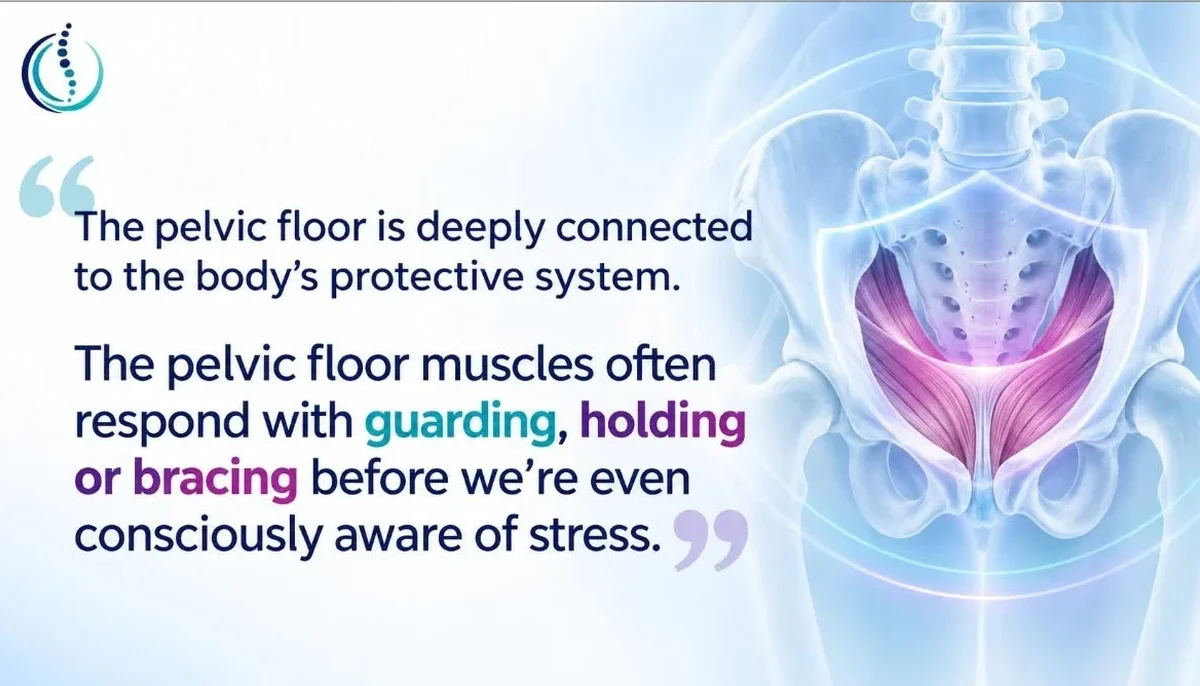
Your body is always scanning for safety. It listens to your environment, your relationships, your thoughts — and it also listens closely to your gut. When the gut is inflamed, undernourished or constantly irritated, the nervous system may interpret that as, "Something isn’t right. We’re not safe."
Over time, this can lead to nervous system dysregulation. You might feel:
- Constantly "on edge" or easily overwhelmed
- Tired but wired — exhausted, yet unable to fully relax
- Brain fog, trouble concentrating, or not feeling like yourself
- More sensitive to noise, light or stressors you used to handle well
From the outside, it can look like "just anxiety" or "just digestive issues." The encouraging news is that when we begin to support both gut health and nervous system health, that conversation can gradually shift toward safety, resilience and healing.
Gentle reminder: If your body has been in survival mode for a long time, it’s not failing you — it’s protecting you the best way it knows how. Our work together is to show it a different way.
Supporting the gut–brain connection through chiropractic care
We approach chiropractic and digestion through a functional, whole-person lens. We don’t just ask, "Where does it hurt?" We also ask, "How is your nervous system functioning? How is your gut communicating with your brain? Where does your body no longer feel safe?"
Gentle chiropractic adjustments can help reduce interference in the nervous system, especially along the spine where the nerves that serve your digestive organs branch out. When those areas are supported and moving well, signals may travel more clearly between the gut and brain, helping your body shift out of constant fight-or-flight and into a more balanced, rest-and-digest state.
Alongside chiropractic care, we often explore:
- Nutritional support to reduce inflammation and nourish the gut lining
- Ways to calm the nervous system, like breathwork, gentle movement and better sleep routines
- Functional testing when appropriate, to better understand what your gut and nervous system are trying to tell us
For many patients, the most powerful shift comes when they realize their body isn’t broken — it’s communicating.
A warm invitation to start listening
Every bout of bloating, every wave of anxiety in your stomach, every stretch of brain fog is a message — not a moral failing, not "all in your head," but a real signal from your nervous system and your gut asking for support, safety and care.
If you’ve been told "everything looks normal" while you still don’t feel well, you’re not alone, and you’re not imagining it. There is a reason you feel the way you do, and together we can begin to uncover it.
This article is general education, not medical advice for your situation.