You Are Part of the Healing Process
By Dr. Cassie Tayon, DC · July 1, 2026 · 5 min read

At Winters Wellness Center we see chiropractic and functional health as a true partnership. Your time on the table is powerful, but the way you breathe, move, rest and respond to stress between visits is just as important for lasting healing.
Healing is a partnership
Many people think of chiropractic care as something that is simply done to them: you come in with pain, we make an adjustment, and then you wait until something hurts again. We see you as an active participant in your own healing, not a passive recipient of care.
When I place my hands on your spine, I’m working with your body’s natural wisdom. The adjustment helps restore motion and communication in your nervous system, but what you do once you leave the office helps determine how well that change holds and how deeply your body can heal. That’s the heart of how we practice: a partnership between your nervous system, your daily choices and our clinical support.
What happens between your visits
Healing doesn’t just happen on the table. It happens in:
- How you breathe during the day
- How you respond to stress and tension
- How you rest and recover at night
- How you move your body and hold your posture
- How you listen and respond to your body’s signals
These everyday choices create the environment your spine, joints and nervous system live in. The good news is that you don’t need a perfect routine; you just need to start with one or two intentional shifts that feel realistic for you right now.
Gentle reminder: Progress is rarely a straight line. Even when symptoms flare, the supportive things you do between visits are still moving you toward better health.
How you breathe matters more than you think
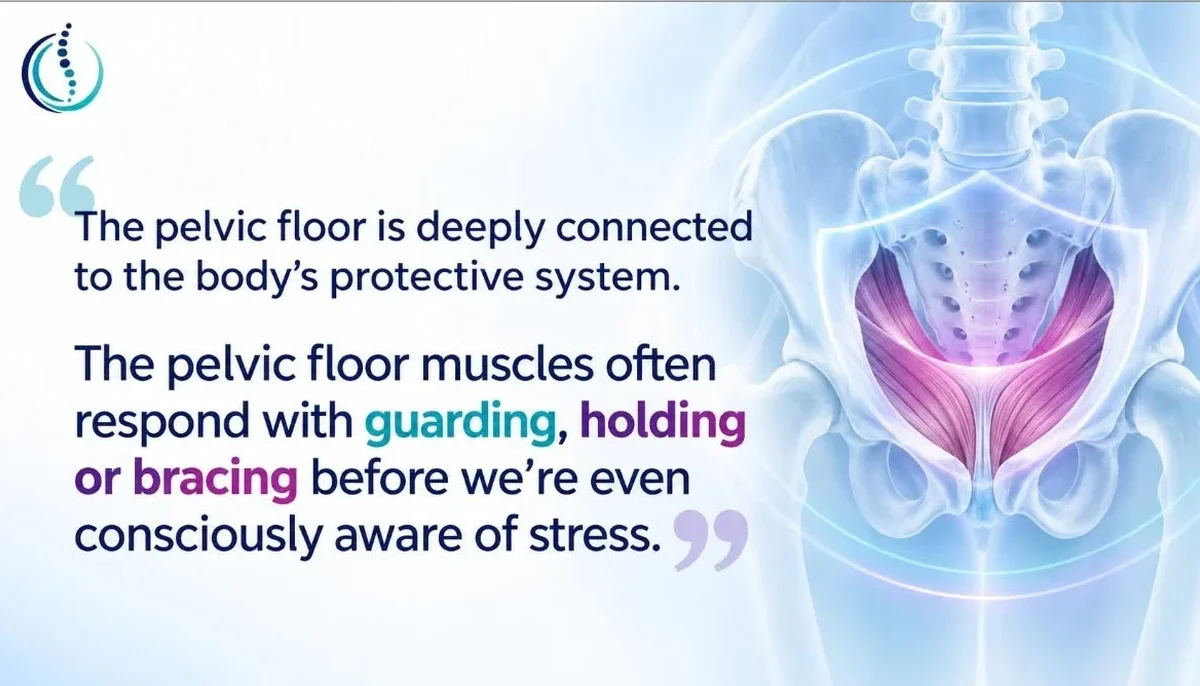
One of the simplest, most powerful tools you carry with you all day is your breath. Shallow, rushed breathing keeps your nervous system in "fight or flight," which can tighten muscles, increase pain sensitivity and make it harder for your body to fully receive the benefits of your adjustments. Slow, diaphragmatic breathing supports your parasympathetic nervous system — the "rest, digest and heal" mode we want to nurture.
Try this simple practice:
- Sit or lie comfortably with one hand on your chest and one on your belly.
- Inhale gently through your nose for a count of four, feeling your belly rise under your hand.
- Exhale slowly through your nose for a count of six, letting your shoulders soften.
- Repeat for 2–5 minutes, especially when you notice stress or tension building.
This tiny practice can make a meaningful difference in how your body processes stress and holds your adjustments.
Your body is always communicating — are you listening?
Your body is incredibly wise. It’s constantly sending you messages — through tightness, fatigue, headaches, digestive changes, or a simple sense that something is "off." We don’t just want to quiet those messages; we want to understand them. That starts with you noticing and honoring what your body is trying to say.
You might ask yourself:
- Where am I feeling tension right now?
- Am I pushing through pain or fatigue instead of pausing?
- What is one small thing my body has been asking for lately — water, movement, rest, or maybe support?
When you start listening in this way, your visits become more powerful. You can share what you’re noticing, and together we can fine-tune your care plan.
Small steps, big shifts
When you’re dealing with pain, fatigue or long-standing health challenges, it’s easy to feel like you need a complete life overhaul. But healing is rarely about doing everything at once. It’s about choosing one small, compassionate step at a time and letting those steps add up.
A few gentle ideas to try between visits:
- Set a reminder to stand, stretch and roll your shoulders every hour if you sit for work.
- Create a simple evening wind-down — dim lights, a few gentle stretches and three minutes of slow breathing before bed.
- Take a short walk outside most days, noticing how your body feels as you move, rather than pushing for speed or distance.
- Keep a small "body notes" journal to track patterns in pain, energy, sleep and mood to share at your next appointment.
Key takeaway: You don’t have to do everything. Choose one small step that feels kind and doable, and let it be enough for today.
You don’t have to heal alone
Our team is here to walk alongside you. Whether you’re new to holistic chiropractic or have been on your wellness journey for years, you are always welcome exactly as you are — messy progress, questions and all. Together, we’ll explore what your body is asking for and how we can support it. Your body has been speaking; let’s listen to it together.
This article is general education, not medical advice for your situation.